


How Curtains Can Improve Energy Efficiency In Far North Queensland
The feeling of stepping into a cooler room after escaping the midday heat is one that many households appreciate. While air conditioning often does the heavy lifting, the way a home is fitted out can make a remarkable difference to how well it keeps the heat at bay. Curtains in Cairns play a bigger role in thermal comfort than many people realise, especially when chosen with purpose. From managing light to controlling airflow, they contribute to a home’s energy performance in practical and cost-saving ways. This blog explores how they do it, why material selection matters and how thoughtful installation can help reduce cooling demands over time.
1. Understanding How Heat Enters the Home
Homes warm up quickly when sunlight moves through windows and is absorbed by internal surfaces. Curtains and blinds in Cairns help reduce the rate at which this happens and minimise the strain on cooling systems. A well-planned window covering strategy allows households to control heat before it becomes a burden.
Key considerations include:
- Solar radiation passing through unshaded windows
- Warm air entering around gaps & poorly fitted frames
- Surfaces inside the home absorbing heat & releasing it slowly
By interrupting these processes, curtains Cairns households choose for their homes can support a more stable indoor climate.
2. Why Fabric Selection Influences Energy Efficiency
Different fabrics perform in different ways when exposed to heat. Some block light, others filter it and each material has a unique level of thermal resistance. The right choice improves indoor comfort while reducing reliance on artificial cooling.
Fabric factors worth thinking about include:
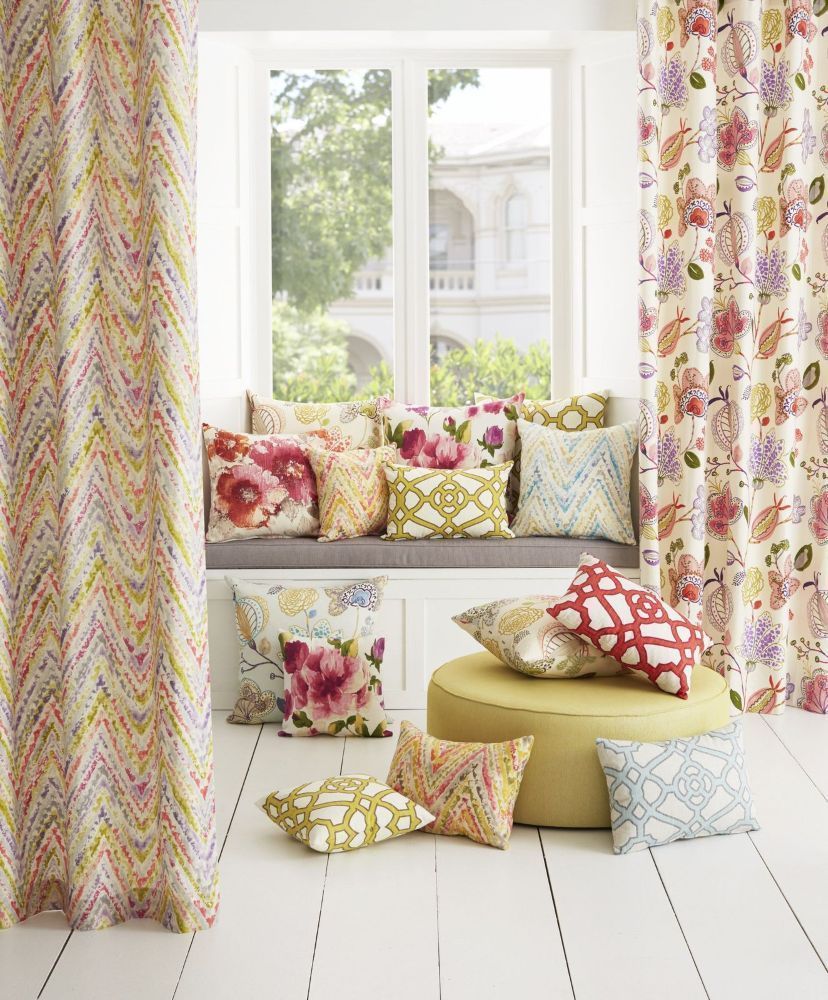
- Density & weave, which affect light penetration
- Colour, with lighter choices reflecting more heat
- Thickness, which contributes to insulation & temperature stability
The curtains and blinds Cairns shoppers explore often include specialised fabrics designed to balance visibility, insulation and aesthetics in varied climates.
3. Layering Curtains for Improved Temperature Control
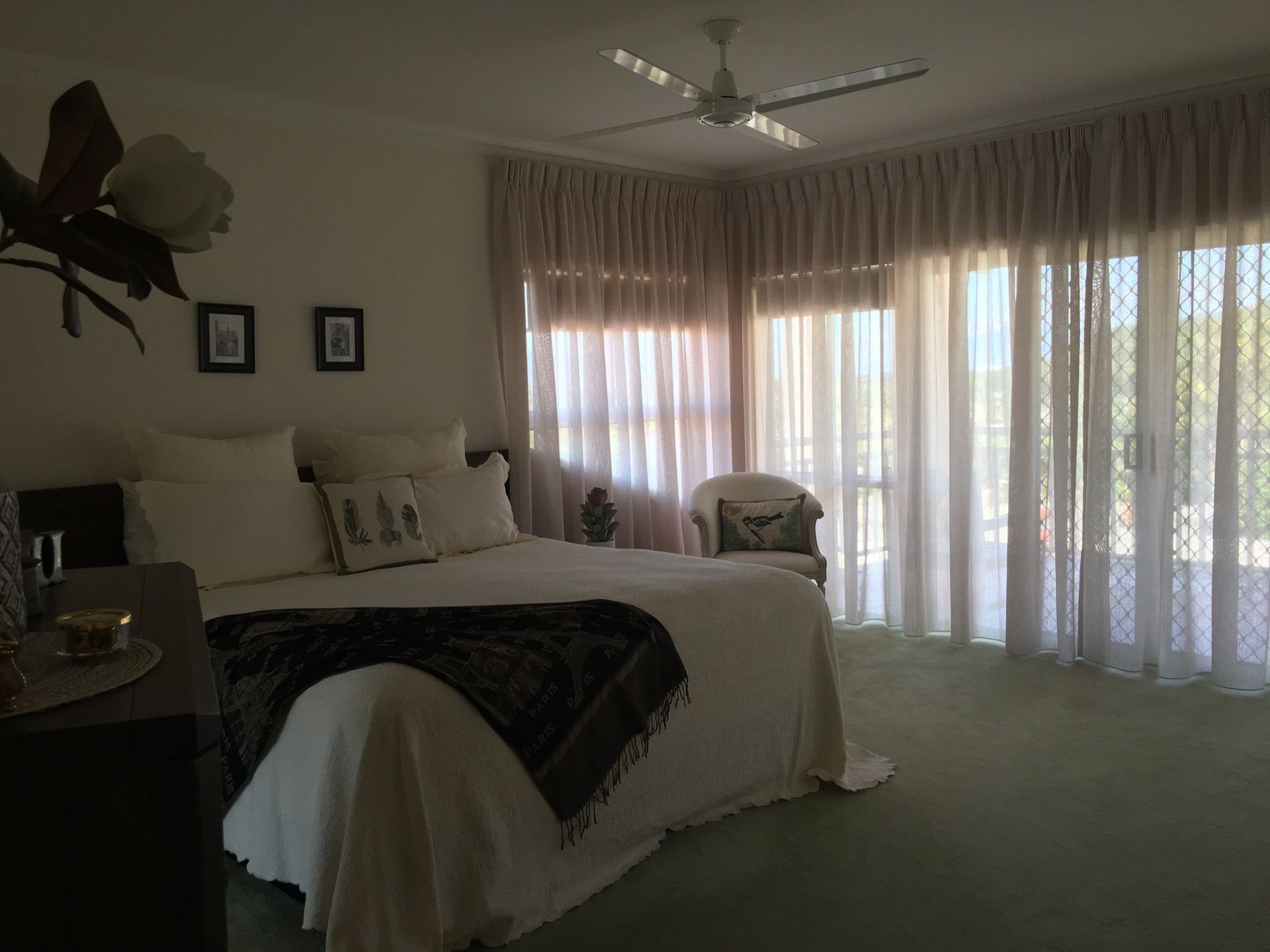
Layering is a practical approach to energy-efficient window dressing. It adds depth to the window, creates an additional buffer against heat and allows flexibility in how much light and warmth a room receives throughout the day.
Popular layering combinations include:
- Blockout curtains paired with sheers
- Decorative outer fabrics combined with thermal linings
- Multi-panel arrangements to alter airflow as needed
Layering also gives households more control throughout the changing seasons. When temperatures rise, lighter layers can diffuse harsh sunlight without eliminating natural brightness. During cooler periods, heavier layers help retain warmth and reduce reliance on heating appliances. This seasonal versatility is one reason layering is commonly recommended by window covering specialists, as it provides a simple yet effective way to fine-tune comfort levels while managing energy use.
Layered designs also enhance privacy and help maintain more consistent temperatures in living areas.
4. Blockout Curtains & Their Role in Reducing Heat Gain
Blockout curtains do more than darken a room. Their structure helps reduce solar heat gain by preventing sunlight from passing through the fabric. This keeps interior temperatures lower and reduces how often cooling systems need to run.
Their energy-related advantages include:
- Limiting direct sunlight
- Reducing glare that causes heat build-up
- Providing a dense barrier between indoor & outdoor environments
Many households searching for ‘curtains near me’ choose blockouts for bedrooms, home theatres and areas prone to strong, warm light.
5. The Impact of Curtain Fit & Installation
Even the highest quality curtain loses efficiency if it hangs too far from the frame or leaves gaps around the edges. Correct installation helps ensure maximum thermal benefit. Professional guidance can make a notable difference to performance and longevity.
Effective installation practices include:
- Extending curtains beyond the window frame to limit heat escape
- Ensuring the fabric sits close to the glass when possible
- Positioning tracks & rods to block air movement at the top of the window
Precision in fitting strengthens the insulating effect and helps maintain cool indoor temperatures.
6. Harnessing Daylight While Managing Heat
Curtains aren’t just about blocking light. They can be used strategically to invite daylight in while keeping unwanted heat out. Managing natural light is an important part of energy efficiency, particularly for households trying to balance comfort and consumption.
Useful ways to achieve this include:
- Using sheers during the day to soften sunlight
- Adjusting heavier curtains as the sun moves
- Positioning furniture to reduce heat absorption
Balancing light and temperature is an ongoing task, especially in homes with large windows or open living zones. Curtains with adjustable opacity allow residents to shift between bright, filtered or shaded conditions without creating sudden temperature spikes. This subtle regulation of daylight can make a noticeable difference over a full day, particularly in rooms that warm up quickly. In many cases, thoughtful daily curtain use supports a smoother indoor climate and contributes to gradual reductions in overall energy consumption.
These small steps help households use the daylight available without relying too heavily on cooling appliances or artificial lighting.
7. Combining Curtains with Other Energy-Saving Products
Curtains perform strongly on their own, but they work even better when combined with complementary window treatments. Pairing solutions creates a layered defence against heat and supports long-term energy savings.
Common combinations include:
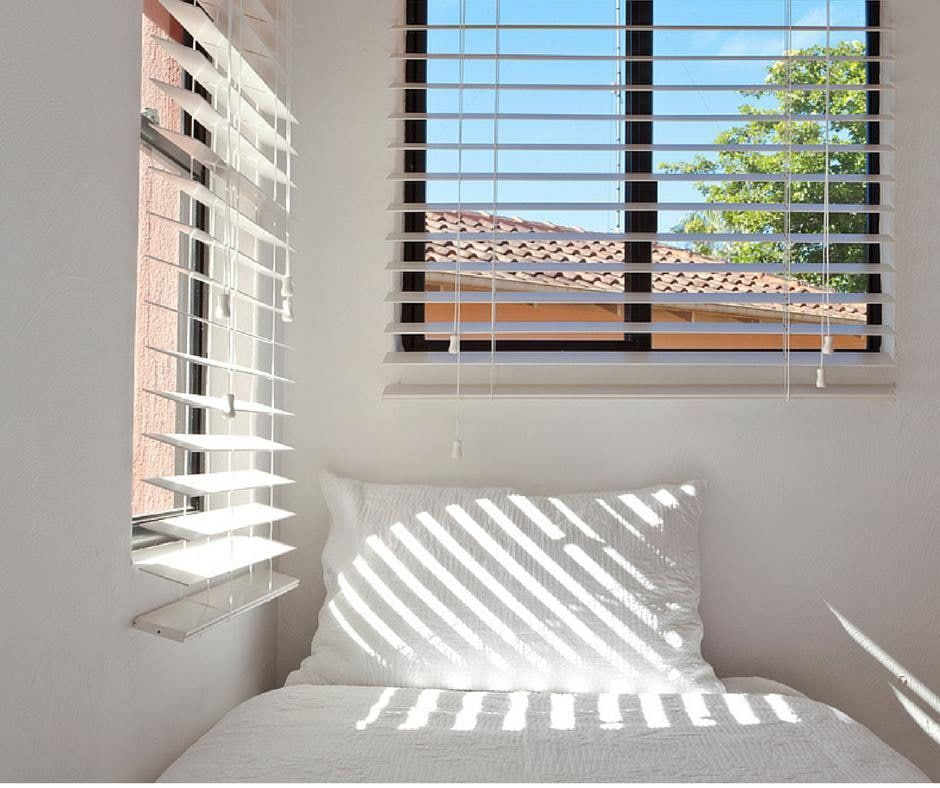
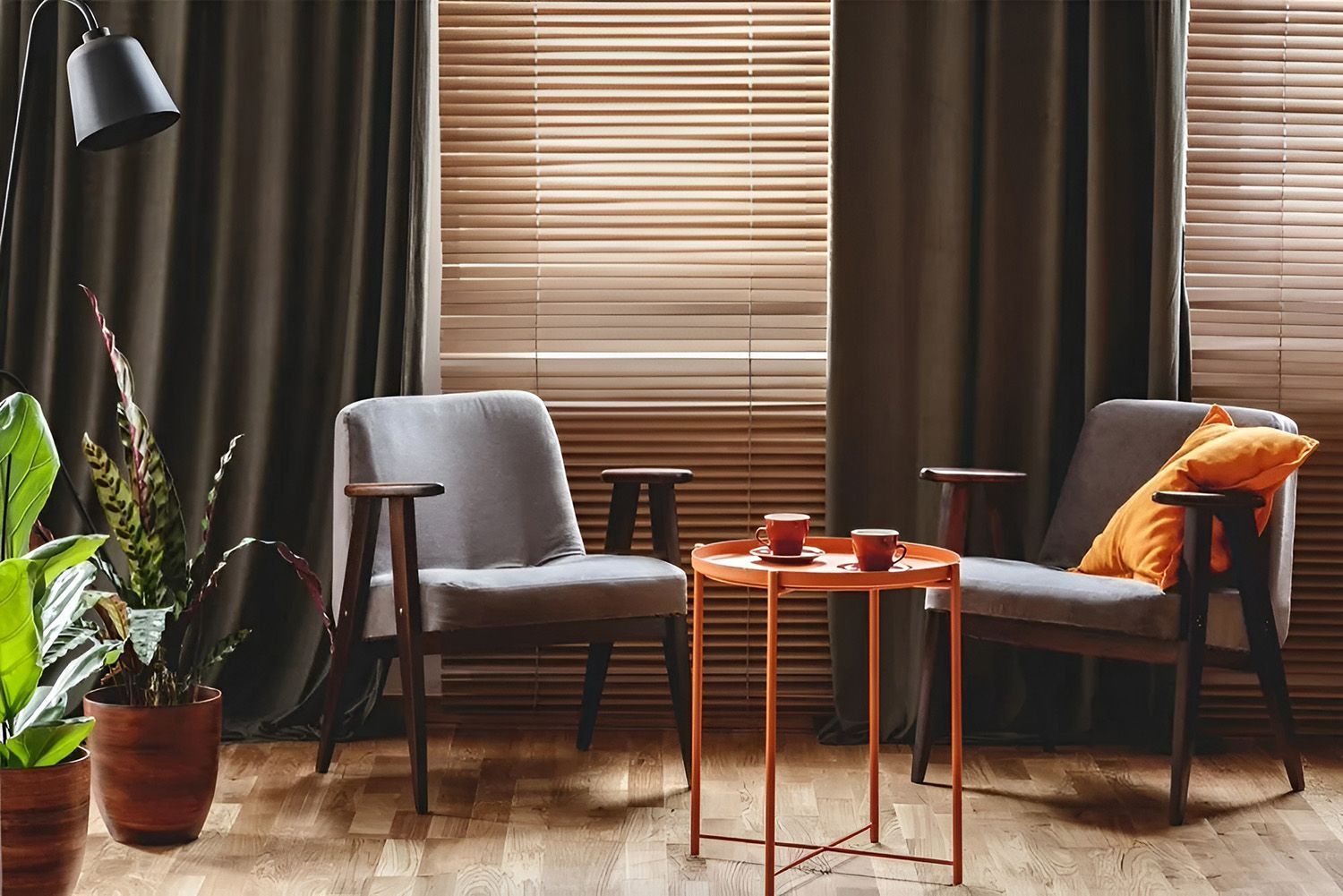
- Curtains with interior blinds to control glare and airflow
- Curtains with pelmets to stop warm air settling at the top of the window
- Curtains with exterior shading for added temperature regulation
A coordinated approach enhances each element and can reduce cooling requirements significantly.
8. How Regular Maintenance Supports Energy Efficiency
Curtains last longer and perform better when maintained routinely. Dust, moisture and prolonged sun exposure can affect how the fabric behaves over time. Consistent care keeps them in good condition and ensures they continue to contribute to energy performance.
Simple maintenance habits include:
- Dusting or vacuuming fabrics to prevent build-up
- Checking tracks & fittings for smooth movement
- Rotating or adjusting curtains to minimise uneven wear
These steps help maintain the insulating qualities of the material and keep the window covering system functioning as intended.
Get in Touch
At Instyle Curtains & Blinds, we understand the importance of keeping homes comfortable while managing energy use in Cairns. If you’re exploring ways to reduce heat transfer or want tailored advice on selecting curtains in Cairns suited to local living conditions, visit our website and speak with our team. We’re here to help you choose window coverings that support cooler interiors and long-term savings.